In a world demanding greater energy efficiency, sustainability, and occupant well-being, the role of the Chartered Building Services Engineer has never been more critical.
Core Engineering Design Services
• Mechanical:
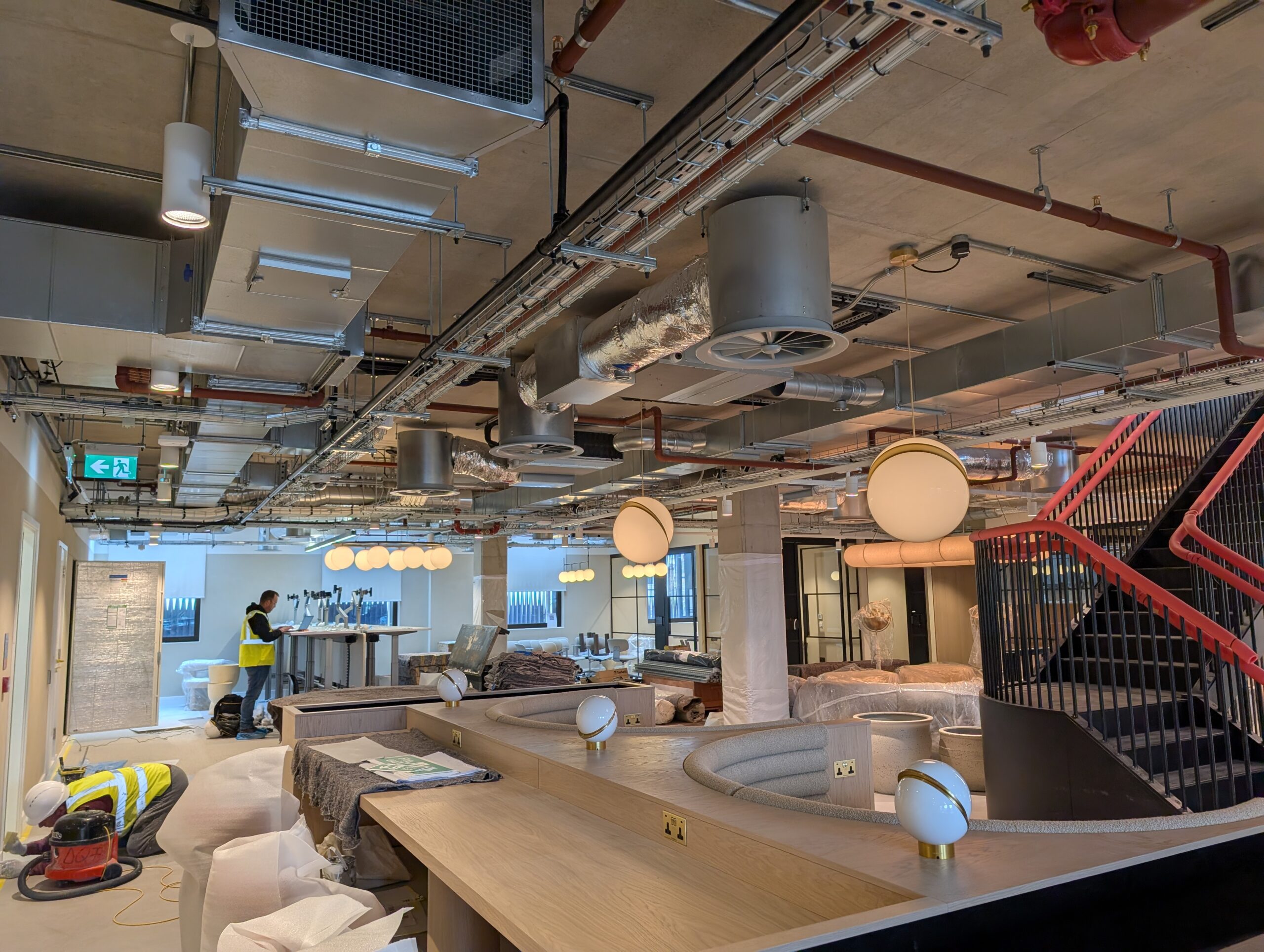
Heating, Ventilation, and Air Conditioning (HVAC) systems, as well as refrigeration and mechanical extract systems.
• Electrical:
Power distribution, internal/external lighting design, standby power (generators/UPS), and renewable energy systems.
• Public Health:
Hot and cold water supplies, drainage, and sanitation.
• Life Safety & Security:
Fire alarms, detection systems, security (CCTV, access control), lighting and emergency lighting.
• Communications:
Information and communication technology (ICT) infrastructure, data cabling, and telecommunications.
Advisory & Specialist Services
• Sustainability and Environmental, Social, and Governance:
Developing decarbonisation strategies, conducting carbon emission assessments, and guiding projects toward certifications like BREEAM, LEED, or WELL.
• Technical Due Diligence:
Pre-acquisition surveys to assess the condition and future maintenance costs of building systems for potential buyers or tenants.
• Energy Management:
Conducting energy audits, Energy Performance Certificate (EPC) ratings, and SAP/SBEM calculations to ensure regulatory compliance.
• Maintenance Planning:
Creating Planned Preventative Maintenance (PPM) schedules to avoid unexpected equipment failures and manage long-term costs.
Project & Lifecycle Management
• Integrated Design:
Utilising AutoCAD 2D digital & Building Information Modelling 3D digital design systems to coordinate with architectural and structural elements before construction.
• Site Monitoring:
Inspecting installations during construction to ensure they meet technical specifications and safety standards.
• Commissioning:
Witnessing the testing of systems to ensure they work as intended before building handover.
• Refurbishment & Retrofit:
Advising on how to upgrade legacy systems in older buildings to meet modern efficiency standards.
Wellbeing & Human-Centric Design
• Indoor Air Quality (IAQ) Monitoring:
Designing advanced filtration and sensor-driven ventilation systems to combat “sick building syndrome” and manage indoor pollutant levels.:
• Circadian Lighting:
Developing smart lighting systems that mimic natural daylight cycles to improve occupant sleep patterns and productivity.
• Limits of thermal comfort:
CIBSE TM52 Limits of thermal comfort: avoiding overheating.
CIBSE TM59 Design methodology for the assessment of overheating risk in homes.
CIBSE TM64 Operational performance: Indoor air quality.